
 Vanock
10 Jun 2024



10 Jun 2024
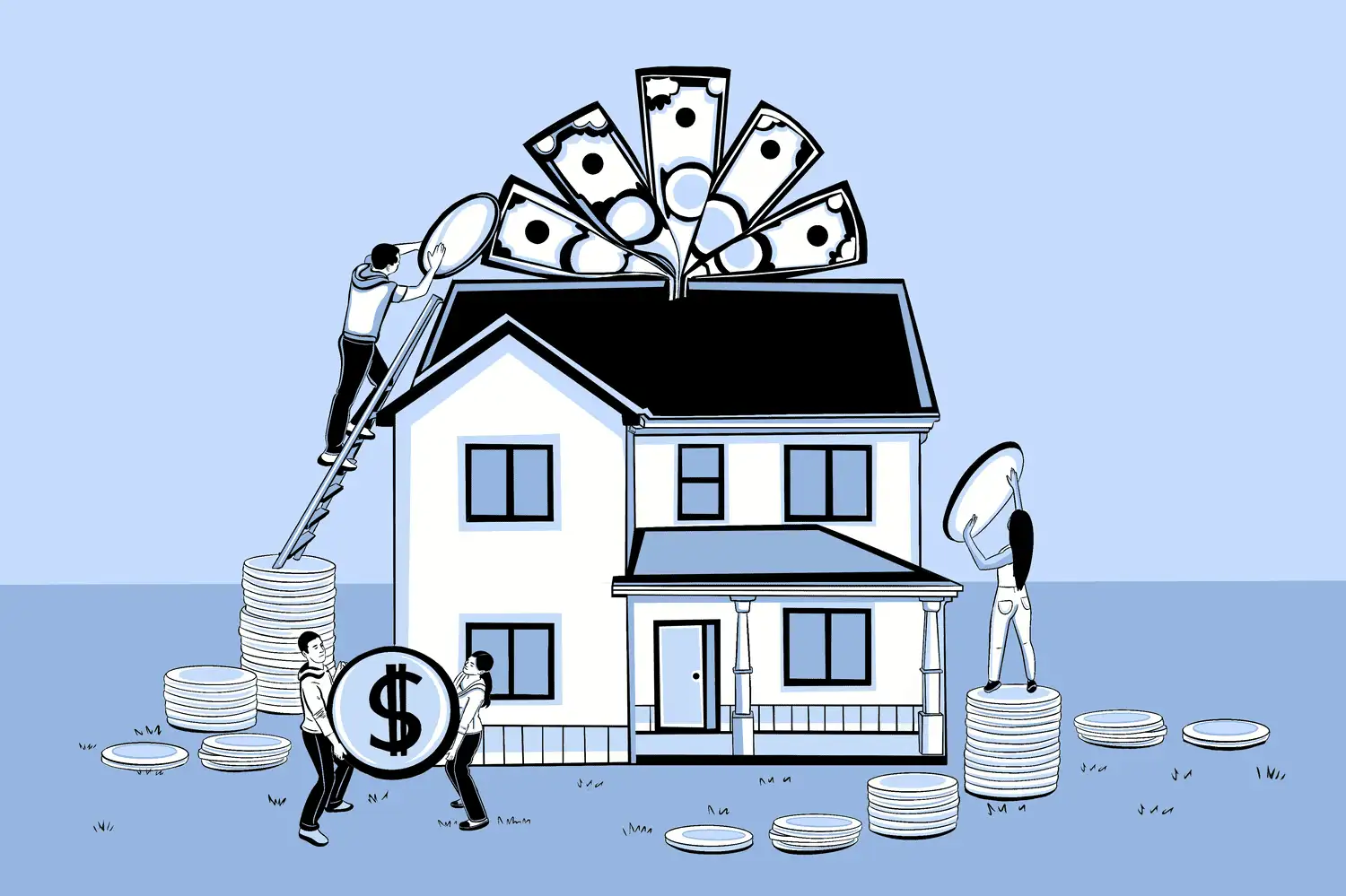
At Vanock, we believe that successful real estate investing is built on identifying opportunities where value can be created—not just found. By combining careful property selection with professional renovation and market expertise, it is possible to transform aging or neglected properties into desirable assets with greater long-term potential.
This article explores how property renovation can increase value and why it remains one of the most popular strategies in real estate investing.
Property renovation involves improving an existing building to enhance its appearance, functionality, safety, or overall market appeal. Renovations can range from simple cosmetic updates to major structural improvements, depending on the property's condition and investment objectives.
Unlike new construction, renovation focuses on maximizing the potential of an existing property while preserving valuable assets and reducing unnecessary waste.
Older properties often present opportunities that newer buildings may not.
Many undervalued properties require improvements because they have:
Outdated interiors
Poor maintenance
Old fixtures and finishes
Structural wear
Inefficient layouts
Limited curb appeal
While these issues may discourage some buyers, experienced investors often see them as opportunities to create additional value through renovation.
One of the foundations of successful renovation projects is purchasing the property at the right price.
Buying below market value creates room for:
Renovation costs
Unexpected expenses
Holding costs
Potential profit after improvements
A disciplined acquisition strategy is often just as important as the renovation itself.
Not every renovation delivers the same results. Successful investors focus on improvements that are most likely to enhance the property's functionality and appeal.
Common value-adding renovations include:
The kitchen is often considered one of the most important areas of a home.
Upgrades may include:
New cabinetry
Modern countertops
Energy-efficient appliances
Improved lighting
Better storage solutions
A well-designed kitchen can significantly improve buyer interest.
Modern bathrooms create a strong impression on potential buyers.
Common upgrades include:
New tiles
Updated fixtures
Walk-in showers
Modern vanities
Improved ventilation
These improvements can make older homes feel newer and more attractive.
Refreshing interior spaces can dramatically improve a property's appeal.
Examples include:
New flooring
Fresh paint
Modern lighting
Updated doors
Ceiling improvements
Smart home features
These relatively simple improvements can transform the appearance of a property.
First impressions matter.
Exterior upgrades may include:
Landscaping
New roofing
Exterior painting
Driveway improvements
Outdoor lighting
Garden enhancements
Improved curb appeal often increases buyer confidence before they even enter the property.
Modern buyers increasingly value sustainable homes.
Energy-efficient upgrades may include:
Better insulation
LED lighting
Solar energy systems
Efficient windows
Water-saving fixtures
These improvements can reduce operating costs while increasing the property's attractiveness.
Not every property requires complete reconstruction.
Experienced investors first determine whether renovation offers better value than demolition and rebuilding.
Factors considered include:
Structural condition
Renovation costs
Local market demand
Development regulations
Potential resale value
Choosing the right approach helps maximize investment efficiency.
Successful renovations are driven by market demand rather than personal preferences.
Before beginning any project, investors often study:
Local buyer preferences
Neighborhood property values
Comparable property sales
Future infrastructure projects
Population trends
Understanding what buyers want helps guide renovation decisions.
Renovation projects require careful planning and coordination.
Professional management typically includes:
Budget planning
Contractor selection
Material sourcing
Construction supervision
Quality inspections
Timeline management
Strong project management helps reduce delays, control costs, and maintain quality standards.
Every renovation should be guided by a realistic budget.
Important expenses may include:
Purchase price
Construction materials
Labor costs
Permits
Professional services
Insurance
Financing costs
Contingency reserves
Careful financial planning helps investors avoid unnecessary risks.
Renovation projects are not without risks.
Common challenges include:
Unexpected structural issues
Material price increases
Construction delays
Permit approvals
Contractor availability
Market fluctuations
Successful investors prepare for these risks by conducting thorough due diligence and maintaining contingency plans.
At Vanock, renovation is one of the key strategies we use to create value through real estate.
Our approach focuses on identifying properties with untapped potential and improving them through strategic planning and professional execution. Every project begins with careful market research, property evaluation, and financial analysis to determine whether renovation is the most effective way to enhance value.
Where appropriate, we modernize older properties, improve functionality, and reposition them to meet current market demand. For projects where redevelopment offers greater potential, we also explore new construction opportunities designed to create sustainable long-term value.
While renovation can increase a property's value, successful investing requires patience and discipline.
Rather than pursuing quick gains, experienced investors often focus on:
Quality improvements
Sustainable development
Responsible budgeting
Professional management
Long-term market trends
This approach supports informed decision-making and responsible growth.
Property renovation remains one of the most effective ways to create value in real estate. By purchasing undervalued properties, making strategic improvements, and aligning renovations with market demand, investors can transform underperforming assets into attractive opportunities.
However, successful renovation requires more than construction. It depends on careful planning, thorough research, disciplined financial management, and professional execution.
At Vanock, we believe that value is created through expertise, innovation, and responsible investment practices. By combining strategic acquisitions with quality renovations and long-term planning, we aim to build properties that benefit investors, communities, and future generations.
Disclaimer: This article is provided for educational purposes only and should not be interpreted as financial, investment, legal, or tax advice. Real estate investments involve risk, and future returns cannot be guaranteed. Always conduct your own research and seek professional advice before making investment decisions.

Vanock
10 Jun 2024

Vanock
10 Jun 2024
Vanock
10 Jun 2024

Vanock
10 Jun 2024
